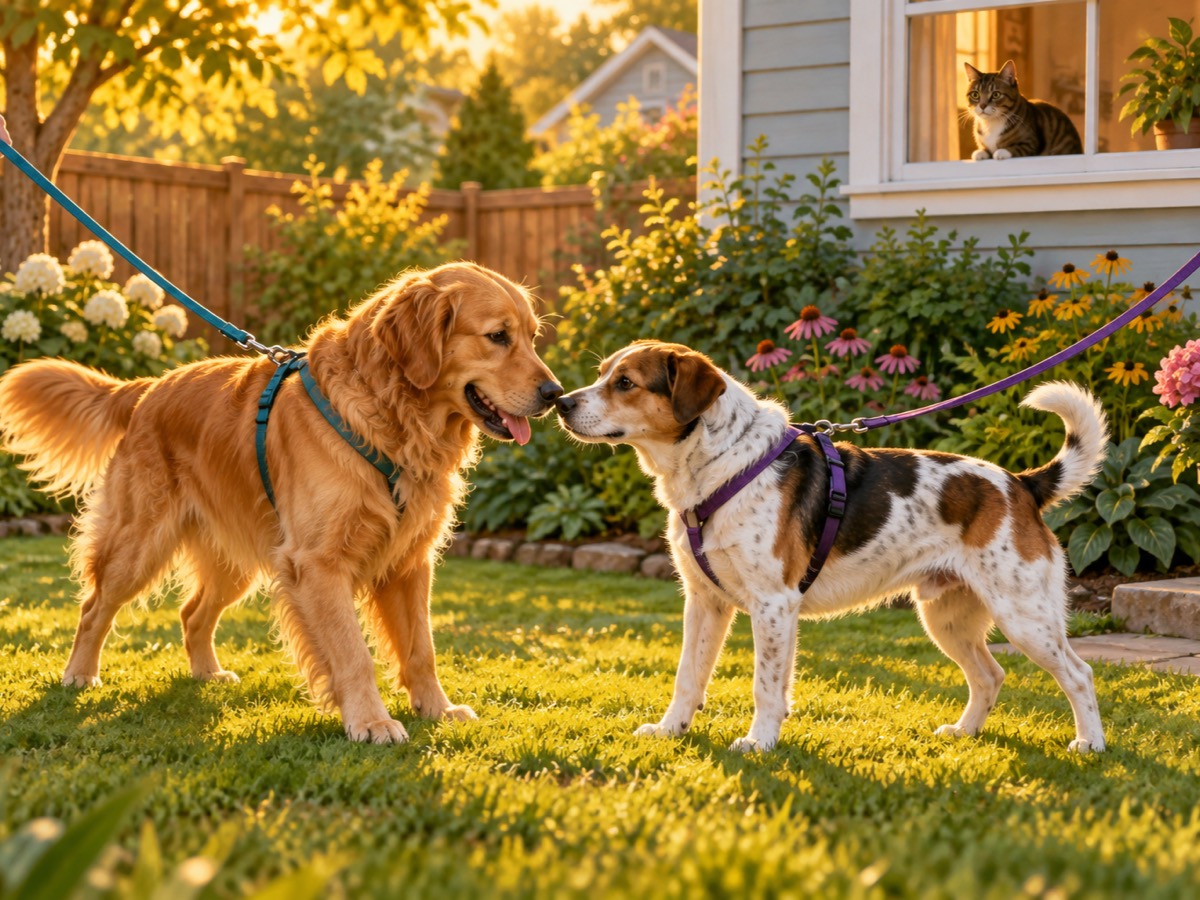

You have a breed in mind. Maybe you grew up with a beagle, or you have spent months reading about standard poodles, or someone in your family is set on a Maine Coon. Wanting a particular breed does not put you at odds with adoption. There is an entire volunteer world built around exactly this: breed-specific rescue, where people who know one breed deeply take in the dogs and cats of that breed who need new homes.
Breed rescue is not a back door to a discount purebred. It is a slower, more interview-heavy path than walking into a shelter, and the people running it will ask you hard questions. But if you want a specific breed and you want to adopt, this is where to look first.
What breed-specific rescue actually is
Most breed rescues grew out of breed clubs. The American Kennel Club maintains a rescue network that connects hundreds of groups tied to national breed clubs, and in surveys of those clubs the overwhelming majority reported being directly involved in rescue for their breed. Some clubs run rescue through a committee of members, some spin it off into a separate nonprofit, and some act as a coordinating hub that funnels money and referrals to independent local groups.
The structure matters less than the shared feature: almost all of these groups are foster-based rather than facility-based. The dogs live in volunteer homes, often for months, while the group works out what each one needs. That is the single biggest practical advantage of breed rescue. Nobody is guessing at a kennel card. Someone has been living with the dog, watching how he handles the mail carrier, the stairs, the vacuum, the neighbor’s cat.
Cats have the same infrastructure, just less publicized. There are dedicated rescues for Siamese, Persians, Bengals, Maine Coons, sphynx cats, and more, many of them regional and run by a handful of very committed people.
How many purebreds are actually in rescue?
You will see a figure quoted constantly: that roughly a quarter of shelter dogs are purebred. It is worth understanding where that number comes from, because it is genuinely contested. The often-cited estimates trace back to older research measuring dogs entering shelters, not dogs available for adoption. More recent counts of dogs actually listed as adoptable have landed far lower. Both can be true at once, because purebreds are reclaimed by their owners at higher rates, and because breed rescues pull many of the remaining ones out of shelters before they ever hit the adoption floor.
The honest takeaway is not a percentage. It is this: purebred dogs and cats of nearly every breed do end up needing homes, they move fast when they appear, and the groups that specialize in them are usually the first to know. If you want a specific breed, patience and a network beat luck.
Do the breed homework before the search
Breed rescue volunteers can spot a romantic notion within one phone call, and they will steer you away from a dog you cannot handle. Save everyone time by getting honest with yourself first about grooming load, exercise needs, noise, prey drive, and the health conditions the breed is prone to. Our guide to choosing the right dog breed for your lifestyle walks through the questions that matter most.
A few things people consistently underestimate:
- Coat maintenance. Doodle-type and long-coated breeds need professional grooming on a schedule, and that cost is permanent, not a startup expense.
- Working-breed energy. Herding and sporting breeds in rescue are frequently there precisely because a household could not meet their needs.
- Breed-linked health risks, from brachycephalic airway problems in flat-faced dogs and cats to hip dysplasia, heart conditions, and kidney disease in specific lines.
- Insurance and housing friction, which is a real factor for some breeds regardless of the individual animal.
- Lifespan and size, both of which shape your next decade, not just your next month.
Finding the right group
Start with the national breed club for the breed you want, then follow it down to regional chapters. The AKC rescue network is a reliable starting index for dogs. From there, search adoption listings and filter by breed. Our own adoption finder pulls from participating rescues and shelters, so you can watch for the breed you want across a wide radius rather than refreshing one organization’s page.
Whatever you find through any listing, the adoption itself completes directly with the rescue or shelter that has the animal. Listings are a map, not a checkout counter. The group will run its own application, its own conversation, and its own decision.
Vet the group as carefully as they vet you. A solid breed rescue will tell you the dog’s known history, disclose medical issues in writing, provide vet records, spay or neuter before placement, and take the animal back at any point in its life if things fall apart. Be cautious of any group that pressures you toward a fast decision, refuses to let you meet the animal before committing, or asks for large payments before you have seen anything. Our list of questions to ask a rescue before you adopt works well as a phone script.
Expect a longer, more personal process
Breed rescues typically run a detailed application, call your veterinarian, contact personal references, and do a home visit or a video walkthrough. Several weeks from application to adoption is normal, and a wait of months for a specific breed, age, and temperament combination is common. If you are told no for one dog, that is often not a rejection of you as an adopter. It usually means that particular dog needed something your household does not have, like a fenced yard or a home without small children.
Adoption fees for breed rescue often run higher than at a municipal shelter, because these groups absorb heavy veterinary costs and rehabilitation time before placement. What you are paying for is the work already done: dental cleanings, surgeries, months of foster observation, and behavior notes you would otherwise have to discover yourself.
Getting to the front of the line
The adopters who get matched fastest are the ones the group already knows. Volunteer at a transport, help at a fundraiser, or foster for the group while you wait. Fostering in particular gives you real experience with the breed and puts you inside the network where placements actually get decided. If you are weighing that, our comparison of fostering versus adopting lays out what each one asks of you.
Also stay flexible on the parts of your picture that are not really about the breed. Adopters who insist on a young dog of one specific color and sex wait the longest. Adopters open to an adult, a slightly older dog, or a strong breed mix hear back much sooner, and frequently end up with a better-matched animal than the one they originally imagined.
Keep a search saved, answer the phone when an unknown number calls, and be ready to move when the right one appears. Breed rescue rewards people who are prepared, honest, and willing to wait.