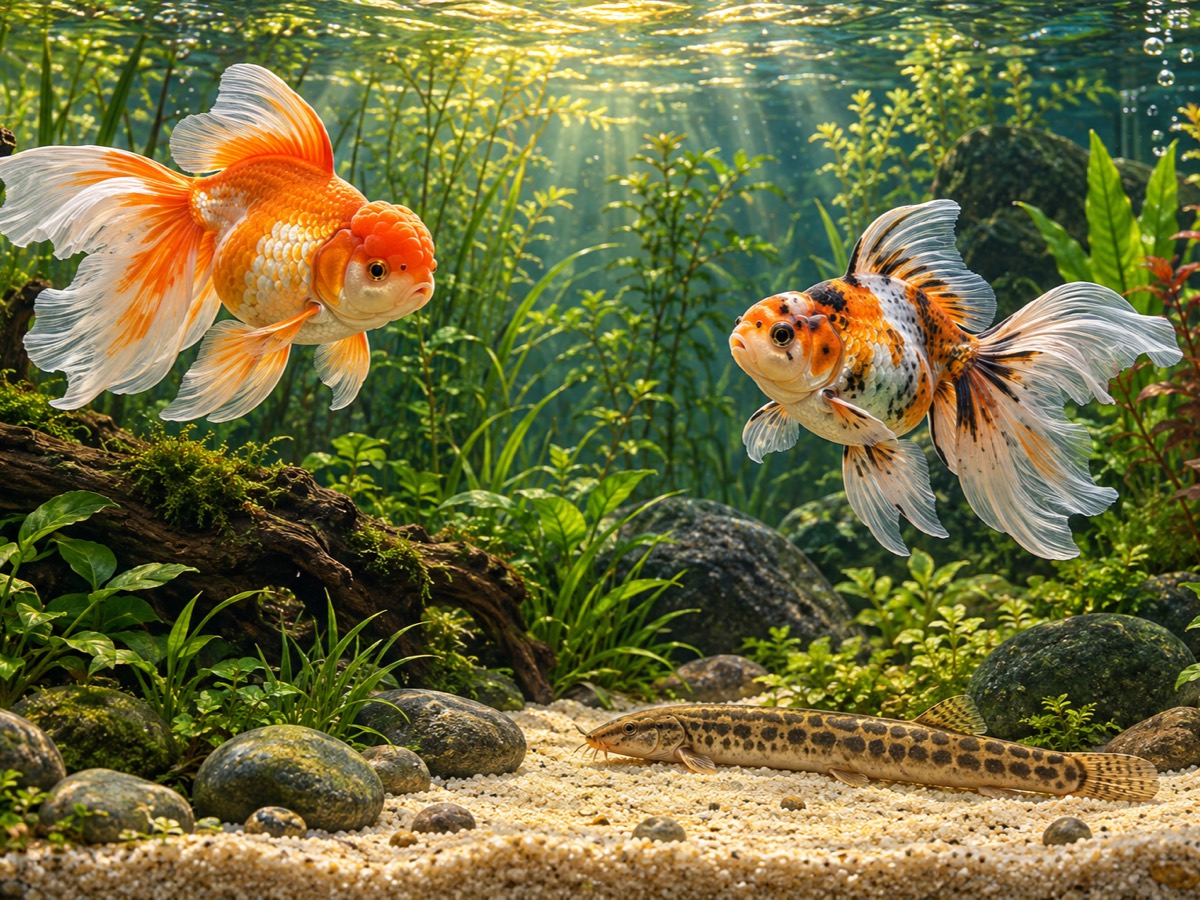
Setting up your first goldfish tank is one of those projects where the order of operations matters more than the budget. Get the sequence right — tank, equipment, water, cycle, then fish — and you’ll have a healthy, low-maintenance aquarium for years. Rush it, and you’ll be fighting cloudy water and sick fish within a month. This guide walks you through the whole process step by step, so your goldfish arrives to a home that’s actually ready.
Start With the Right Tank Size
Forget the bowl. Goldfish are big, messy, long-lived fish, and they need real space from day one. A good starting point for fancy goldfish (orandas, fantails, ryukins) is a 20-gallon tank for your first fish, adding roughly 10 gallons for each additional fish. Single-tailed varieties like commons and comets are stronger swimmers that can exceed a foot in length, so plan on 30 gallons or more per fish — or better yet, a pond down the road.
Bigger is genuinely easier here, not just kinder. More water dilutes waste more effectively, which means fewer emergencies and a more forgiving learning curve. Goldfish produce more waste than most aquarium species their size, and a cramped tank concentrates that waste fast. If you’re still choosing which type of goldfish to bring home, our guide to goldfish varieties from common to exotic oranda can help you match the fish to the space you have.
Gather Your Equipment
You don’t need a wall of gadgets, but a few pieces of equipment are non-negotiable. Here’s the core shopping list:
- A filter rated for at least your tank’s size — ideally one size up, since goldfish are heavy waste producers. Look for room for biological media, where beneficial bacteria will live.
- A liquid water test kit that measures ammonia, nitrite, nitrate, and pH. This is your single most important tool.
- Water conditioner (dechlorinator) to neutralize the chlorine and chloramine in tap water, which are toxic to fish and to the beneficial bacteria your filter depends on.
- Substrate — either bare bottom, sand, or gravel too large to swallow. Goldfish constantly sift through the bottom of the tank, and pea-sized gravel can lodge in their mouths.
- A siphon-style gravel vacuum for water changes, plus a dedicated bucket that never touches soap.
- Decor and smooth-leaved plants for cover. Skip anything with sharp edges, especially for slow, long-finned fancy varieties.
A heater usually isn’t necessary — goldfish are coldwater fish that do well at typical room temperatures — but a simple thermometer is worth having so you can spot sudden swings. Lighting can be as basic as an inexpensive LED hood on a timer.
Set Everything Up, Step by Step
First, place the tank on a stand or surface that can genuinely hold the weight — water weighs a little over eight pounds per gallon, so a filled 30-gallon setup can top 300 pounds with glass, substrate, and equipment. Choose a spot away from direct sunlight (which fuels algae), radiators, and drafty windows, and near an outlet.
Rinse the tank, substrate, and decor with plain water only — never soap or detergent, which leave residues that harm fish. Add the substrate, position your decor and plants, then fill the tank with tap water. Pouring the water over a plate or a plastic bag laid on the substrate keeps everything from getting blasted out of place.
Dose the water conditioner according to the bottle’s directions, install the filter and thermometer, and switch the filter on. Let everything run for a day or two while you check for leaks, confirm the filter flow is steady, and let the temperature settle. Now comes the step most beginners skip — and the one that matters most.
Cycle the Tank Before Any Fish Go In
An aquarium isn’t safe for fish just because the water is clear. Fish continuously excrete ammonia, which is toxic even in small amounts. In an established tank, colonies of beneficial bacteria living in the filter convert that ammonia into nitrite (also toxic), and then into nitrate, which is far less harmful and gets removed with routine water changes. Growing those bacterial colonies is called cycling, and in a brand-new tank it typically takes four to six weeks.
The kindest method is a fishless cycle: add a source of ammonia (pure ammonia sold for aquarium cycling works well) to feed the bacteria while the tank is still empty. Test the water every few days with your liquid kit. You’ll see ammonia spike and then fall, then nitrite spike and fall, and finally nitrate begin to climb. When the tank can clear a dose of ammonia to zero ammonia and zero nitrite within about 24 hours, your cycle is complete. A bottled bacteria starter or a handful of filter media from an established, disease-free tank can speed things up considerably.
Skipping this step is the leading cause of death in new aquariums — the classic story of a goldfish that mysteriously died in week two. Ammonia and nitrite poisoning also weaken fish and open the door to infections, which is why cycling properly is one of the best things you can do for preventing common goldfish diseases before they ever start.
Bring Your Goldfish Home
Once your test kit reads zero ammonia, zero nitrite, and some nitrate, do a large water change to bring nitrate down, then go get your fish. Add just one or two goldfish at a time so the bacterial colony can catch up to the new waste load.
To acclimate, float the sealed bag in the tank for 15 to 20 minutes so the temperature equalizes, then add small amounts of tank water to the bag every few minutes for another 15 minutes or so. Net the fish gently into the tank and discard the bag water rather than pouring store water into your aquarium. Keep the lights off for the first few hours and skip feeding until the next day — a slightly hungry goldfish is a settled goldfish. When you do start feeding, go light: small portions once or twice a day, and only what’s eaten within a couple of minutes.
Your Simple Weekly Routine
Ongoing care is refreshingly boring once the setup is right. Each week, change roughly 25 to 30 percent of the water (more for heavily stocked tanks), vacuuming the substrate as you siphon and always treating the replacement water with conditioner before it goes in. Rinse filter media in the bucket of old tank water — never under the chlorinated tap — so you don’t wipe out your hard-won bacteria. Test the water weekly at first, then whenever anything seems off.
Watch your fish for a minute or two every day. Clamped fins, gasping at the surface, or a skipped meal are early warning signs worth investigating with your test kit. Pair this routine with good daily habits from our complete goldfish care guide, and there’s no reason your new fish can’t be with you for a decade or more. That’s the real payoff of a careful setup: a goldfish that isn’t just surviving its first month, but thriving into its second decade.