The day you bring a new dog home is one of the best days you’ll ever have — and one of the most confusing days your dog will ever have. Everything they know has just changed: the smells, the sounds, the people, the rules. The single biggest gift you can give them is a home that’s ready before they walk through the door. Here’s how to prepare, room by room and decision by decision.
Start with a safe zone, not the whole house
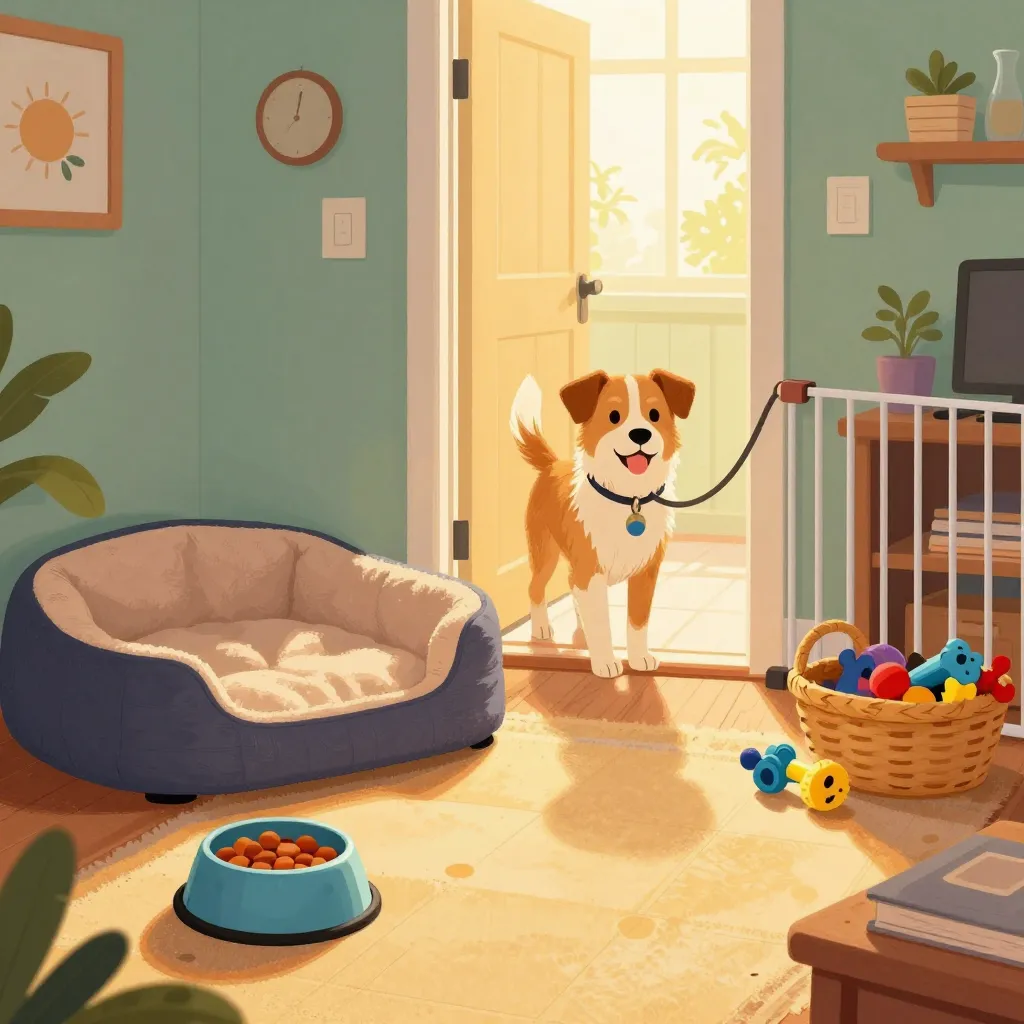
Resist the urge to give your new dog the full run of the house on day one. A dog who has just left a shelter or foster home settles faster in a smaller, calmer space: a kitchen corner, a laundry room, or a section of the living room blocked off with a baby gate. Set it up with a bed, water, and a couple of toys before arrival. This becomes their anchor — the place they can retreat to when the newness gets overwhelming. As confidence grows over the first days and weeks, expand their territory gradually.
Dog-proof like a detective
Get down to dog height — literally, on your hands and knees — and look at each room the way a curious nose will. You’re hunting for:
- Electrical cords and charging cables — tuck them away or use cord protectors; puppies especially find them irresistible.
- Toxic foods within reach — chocolate, grapes and raisins, onions, garlic, and anything sweetened with xylitol are dangerous to dogs. Secure bins with lids.
- Houseplants — several common ones, including sago palm, dieffenbachia, and aloe, are toxic if chewed. Move them up high or out.
- Medications and cleaning products — behind closed cabinet doors, ideally with child locks for determined chewers.
- Small swallowables — socks, children’s toys, hair ties, coins. If it fits in a mouth, assume it will end up in one.
- Escape routes — check fence lines for gaps, make sure gates latch, and confirm window screens are secure.
The shopping list that actually matters
Pet shops will happily sell you a mountain of things you don’t need yet. The genuine essentials for day one are shorter: a well-fitted collar with an ID tag, a sturdy leash, food and water bowls, the food your dog was already eating (sudden diet changes upset stomachs — transition gradually over a week or so), a bed, a crate if you plan to crate train, and a few different toys to discover what your dog actually enjoys. Everything else can wait until you know the dog you’ve brought home.
Agree on the rules before the dog arrives
Is the sofa allowed? Which rooms are off limits? Who feeds, who walks, and what word does everyone use for “off”? A new dog learns fastest when every human in the house is consistent from the first hour. A five-minute family meeting before adoption day prevents months of mixed signals — and it’s much kinder to the dog, who otherwise has to work out why the rules keep changing depending on who’s in the room.
Plan the first day to be boring
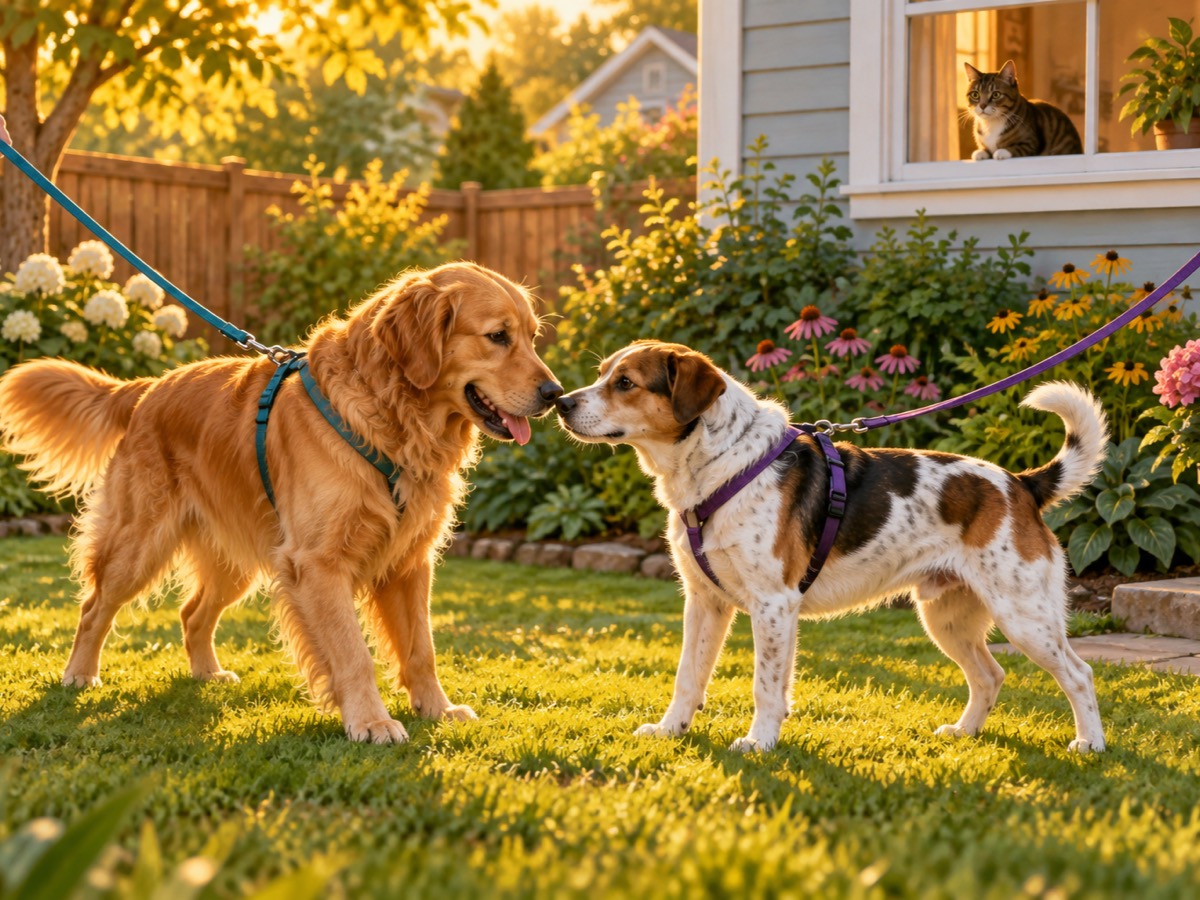
It’s tempting to invite everyone over to meet the new family member. Don’t — not yet. The best first day is a quiet one: a calm walk around the garden or street on leash, a tour of their safe zone, dinner, and rest. Let the dog come to you rather than crowding them with affection. Many rescue dogs follow what adopters call the rule of threes: three days to decompress, three weeks to learn your routines, and three months to fully feel at home. You’ll meet your dog’s real personality gradually — and it’s worth the wait.
Line up your support team early
Register with a veterinarian before you need one, and book a wellness check for the first week or two — it establishes a baseline and catches anything the rescue may not have spotted. Ask the rescue for your dog’s medical records, microchip details, and any behavioural notes from their foster home; that context is gold. If you know your schedule will require it, research dog walkers or daycare now rather than in a panic later. Our guide on preparing for your first vet visit with a new pet walks you through that first appointment.
Ready when you are
A prepared home takes the chaos out of adoption day and lets you focus on what matters: beginning to earn the trust of a dog who’s had an uncertain journey to reach you. If you’re still deciding whether adoption is right for your family, our guides on the benefits of adopting shelter animals and choosing the right dog breed for your lifestyle are good places to start.
Home ready? Start meeting adoptable dogs near you.