You found the one. Maybe it was a photo of a scruffy terrier mix with hopeful eyes, or a tabby who pressed her head against the kennel door when you walked past. Now comes the part nobody warns you about: the paperwork. If you’ve never adopted before, the process can feel surprisingly involved, sometimes even intimidating. The good news is that none of it is designed to keep you out. It’s designed to make sure the match works, for you and for the animal.
Here’s a walk through the typical adoption journey, from the first application to the moment you sign on the dotted line, so you know what’s coming and can move through it with confidence.
Why shelters and rescues screen adopters at all
It can sting a little to be vetted when all you want to do is give a homeless animal a good life. But remember what’s on the other side of the desk: many of these animals have already lost one home. Some have been through neglect or abandonment. The staff and volunteers asking you questions are trying to prevent that from happening twice.
Screening also protects you. A good adoption counselor is matchmaking, not gatekeeping. If you work long hours, they’ll steer you away from a high-anxiety dog who falls apart when left alone. If you have a toddler, they’ll flag the cat who has never lived with children. That honesty up front saves heartbreak later, and it’s one of the quiet benefits of adopting from a shelter rather than buying from a stranger online: someone who knows the animal is invested in getting the match right.
The application: what you’ll be asked
Most organizations start with a written or online application. Expect questions about your household, your schedule, your other pets, and your experience with animals. You’ll typically need to be at least 18 years old and show a valid photo ID, and some groups ask for proof of your current address, such as a utility bill.
Common items on an application include:
- Whether you rent or own, and if you rent, your landlord’s contact information so the rescue can confirm pets are allowed
- Who lives in your home, including children and their ages
- What other animals you have and whether they’re spayed, neutered, and current on vaccines
- How many hours the pet would spend alone on a typical day
- A veterinary reference, if you’ve had pets before
- Personal references the rescue may actually call
Answer honestly, even when you suspect an answer isn’t what they want to hear. A thoughtful “we’re first-time dog owners, and here’s how we plan to prepare” goes further than a polished answer that doesn’t hold up on a reference call. Municipal shelters often approve applications the same day; smaller foster-based rescues may take several days to a week because volunteers are reviewing applications around their day jobs. If you haven’t heard back, a polite follow-up email is completely fair.
The meet-and-greet and the interview
Once your application clears the first pass, you’ll usually be invited to meet the animal in person, either at the shelter or at a foster home. Plan for this visit to take anywhere from thirty minutes to a couple of hours. It often doubles as an informal interview: the counselor watches how you and the animal interact, answers your questions, and fills you in on quirks, medical history, and known behavior.
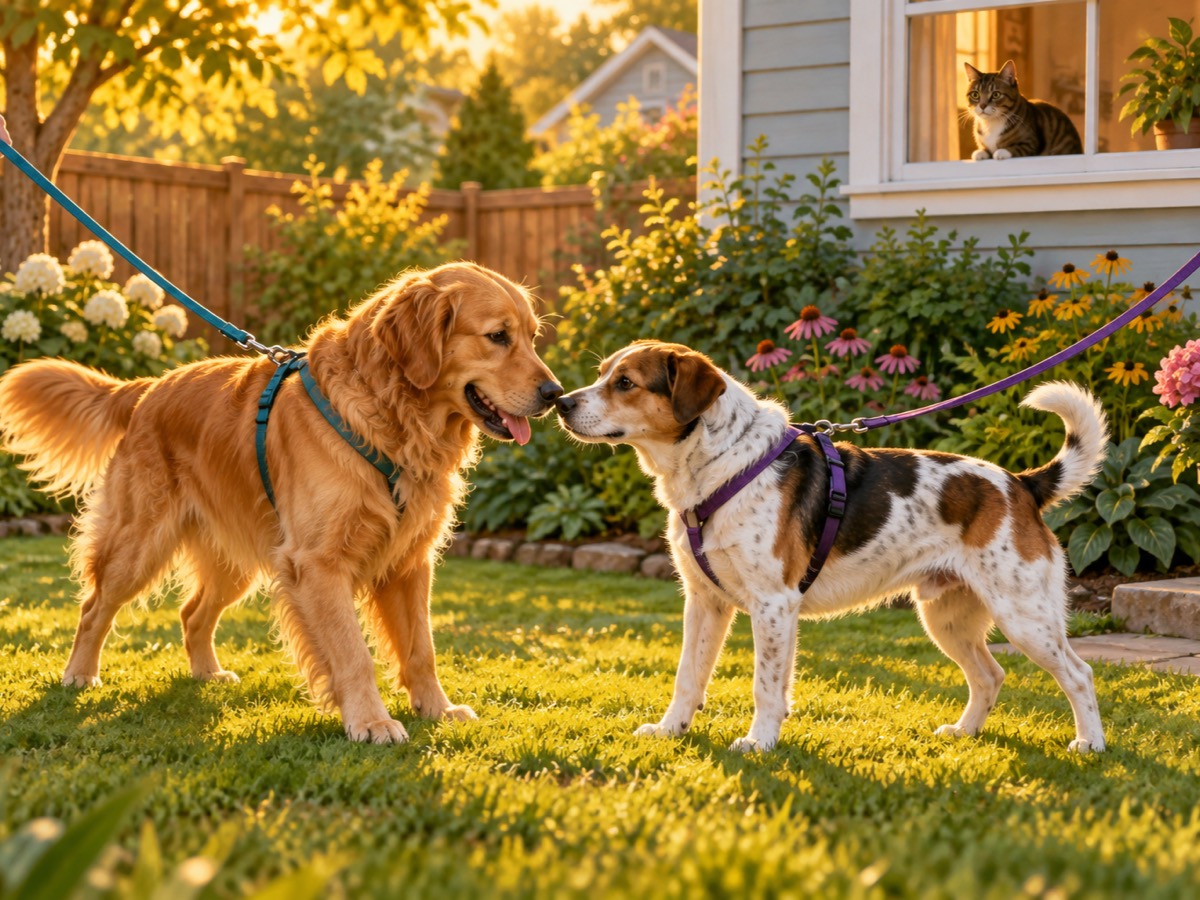
If you already have a dog, many organizations ask you to bring them for a supervised introduction before finalizing anything. Take that seriously rather than treating it as a formality. A neutral first meeting, run by people who read dog body language all day, is a genuine gift.
Come with your own questions, too. Ask why the animal was surrendered or how they came in, what their energy level is like, how they’ve behaved with other animals, and what they still need to learn. You’re interviewing the rescue as much as they’re interviewing you.
Home visits: less scary than they sound
Some rescues, especially smaller breed-specific or foster-based groups, ask to do a home visit before approving an adoption. Others have replaced them with a phone conversation or a quick video walkthrough. Either way, nobody is running a white-glove inspection of your baseboards.
What they’re actually looking at: Is the yard fence secure, if the dog needs one? Are there obvious hazards? Does the living situation match what the application said? Mostly, it’s a chance for the rescue to picture their animal in your space and offer suggestions. If a volunteer points out that your gate latch is loose, they’re helping you, not judging you. Doing a little preparation before the visit makes it painless, and you’ll need to pet-proof anyway.
Adoption fees: what they cover and why they exist
Adoption fees vary widely by organization, region, species, and age. As a broad range, many adopters pay somewhere between roughly $50 and $350, with puppies and purebreds often at the higher end and adult cats and senior pets at the lower end, sometimes fee-waived entirely during adoption events.
That fee is not a purchase price. It typically covers care the animal already received, which usually includes:
- Spay or neuter surgery
- Core vaccinations appropriate for the animal’s age
- A microchip, often with registration included
- Deworming, flea treatment, and basic health screening
- Food, shelter, and daily care during their stay
Priced out at a private vet clinic, those services alone would usually cost more than the fee itself. In most cases the organization is subsidizing your adoption, not profiting from it. If money is tight, ask about fee-waived events or senior-pet discounts; many groups offer both.
Finalizing the adoption and heading home
When everyone agrees it’s a match, you’ll sign an adoption contract and pay the fee, and the animal is yours. Adoptions are completed directly with the shelter or rescue that has the animal in its care, so the contract terms, return policy, and any follow-up requirements come from that organization; read the agreement before you sign. Many contracts ask you to return the animal to them, rather than rehoming on your own, if things ever don’t work out. That’s a safety net, not a threat.
You’ll go home with medical records, and often a starter supply of food or the name of the diet the animal has been eating. Book a checkup with your own veterinarian within the first week or two; here’s how to prepare for that first vet visit so it goes smoothly.
Then take a breath. The forms, the phone calls, the waiting: all of it fades fast. What’s left is a new family member snoring on your couch, and the knowledge that you did it the right way.
Know what to expect? Put it into practice — find adoptable pets near you.